
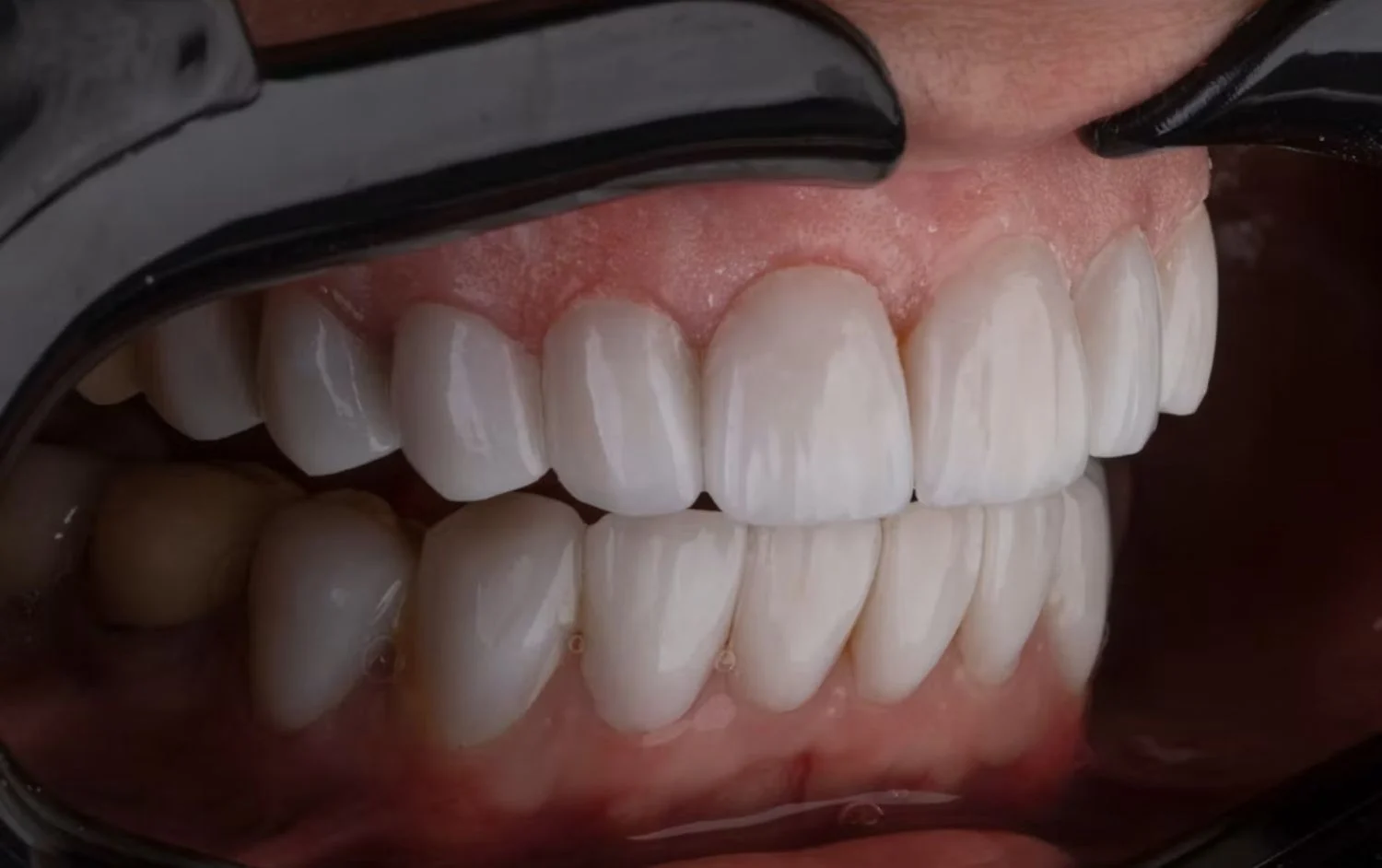
Worried about your BDS program not offering enough hands-on experience? Government Dental Colleges affiliated with large multi-specialty hospitals see the highest turnout in India. Here is a list of 15 colleges where there is always a large number of patients at the OPD and the practical work is more intense. Go through this list to pick the college that will give you the greatest opportunity to learn and become proficient in a short time.
List of Top 15 Government Dental Colleges (BDS) in India
These 15 colleges are affiliated with major hospitals that see heavy daily patient traffic. Most are located in state capitals or large metro cities.
| Detail | Information |
| Conducting Body | Selection Committee, Directorate of Medical Education (DME), Tamil Nadu |
| Official Website | tnmedicalselection.net |
| Alternate Portal | tnhealth.tn.gov.in |
| Seats Covered | 85% state quota govt seats + 100% private college seats (except deemed universities) |
| Registration Window | June 29 to July 23, 2026 (Extended till July 27, 2026) |
| Applications Received | Over 41,000 |
| Provisional Rank List | August 2026 (exact date not yet announced) |
| Round 1 Choice Filling | August 13 to 22, 2026 (MCC confirmed window; DMER TN schedule awaited) |
| Application Fee (State Quota) | Rs 500 |
| Application Fee (Management Quota) | Rs 1,000 |
| Security Deposit (Govt Colleges) | Rs 30,000 |
| Security Deposit (Private Colleges) | Rs 1,00,000 |
Exact daily patient counts vary and are not always published officially. Confirm current OPD figures directly with each college before applying.
What Makes These Colleges Stand Out for Clinical Training?
Beyond patient numbers, a few structural factors boost training quality at these institutions.
- Attached multi-specialty hospitals: Many share campuses with large state-run medical hospitals.
- Compulsory rotatory internships: Students rotate through multiple dental specialties before graduating.
- Experienced faculty: Government colleges often retain senior, long-serving dental faculty.
- Lower fees: Government BDS fees stay far below private college charges.
- Diverse case exposure: Urban and rural patients bring varied dental conditions for learning.
How Do You Get Admission Into These Colleges?
Admission is conducted through NEET UG counselling at the state and central levels. Your rank and category decide which colleges you can realistically target.
- Qualify NEET UG with a competitive score for BDS admission.
- Register for both state counselling and MCC central counselling rounds.
- Check domicile requirements, since many seats are state quota only.
- A rank around 580-620 marks generally suits top government dental colleges.
- Reserved category students often get admission with comparatively lower scores.
Government vs Private Dental Colleges: Which Offers Better Patient Exposure?
This is a common doubt among BDS aspirants every year. Government colleges usually win on raw patient volume and affordability. Private and deemed universities counter with modern infrastructure and simulation labs.
- Government colleges: Higher patient inflow, lower fees, older but functional infrastructure.
- Private/deemed universities: Advanced simulation labs, but patient volume varies by location.
- Best of both: Some private colleges like Saveetha Dental report strong patient inflow too.
- Fee difference: Government fees are a fraction of private college charges.
Choose based on your priority between raw exposure and modern facilities.
FAQs
Maulana Azad Institute of Dental Sciences, New Delhi, is widely considered India’s top choice. Its massive OPD volume ensures extensive hands-on clinical training for students.
Most top government BDS colleges need scores around 580-620 marks for the general category. Reserved category students often secure seats with somewhat lower scores.
Generally yes, due to attached hospitals and higher daily patient footfall. Private colleges compensate with modern labs, but exposure varies by location.
Yes, government BDS degrees carry strong recognition and hands-on training value. Career growth depends more on clinical skills than college type alone.